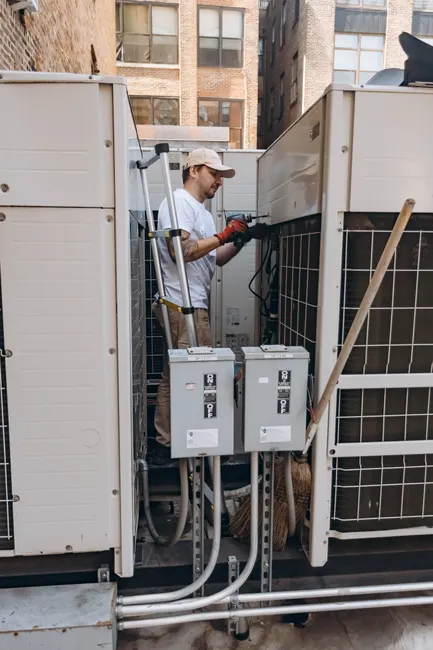
One multi-zone outdoors or two single-zone systems?
Two rooms needing independent temperatures do not automatically require two outdoor units. A multi-zone system can serve several indoor heads from one outdoor unit. Separate single-zone systems offer different operating independence and occupy more exterior space. The better layout depends on actual room use and building constraints.
Compare a busy day and a quiet night
List which rooms need heating or cooling at the same time and which operate alone. Ask how the proposed multi-zone model handles conflicting mode requests and its minimum output when only a small room calls. With separate systems, a single equipment failure may affect fewer rooms, but there are more outdoor components and electrical connections to accommodate.
Draw both exterior arrangements
Mark permitted unit locations, service space, line routes, noise-sensitive windows and winter drainage. In a co-op, a one-unit arrangement may have better odds of fitting an approved location, but do not assume the board permits either option. Mitsubishi’s introduction to mini-splits illustrates the distinction between single- and multi-zone arrangements.
For a ductless design comparison, request both configurations against the same room loads and occupancy schedule. A count of indoor heads or a single nominal capacity is insufficient to decide.