How to Get Rid of Musty Smell from AC Unit: Causes, Risks, and Professional Solutions
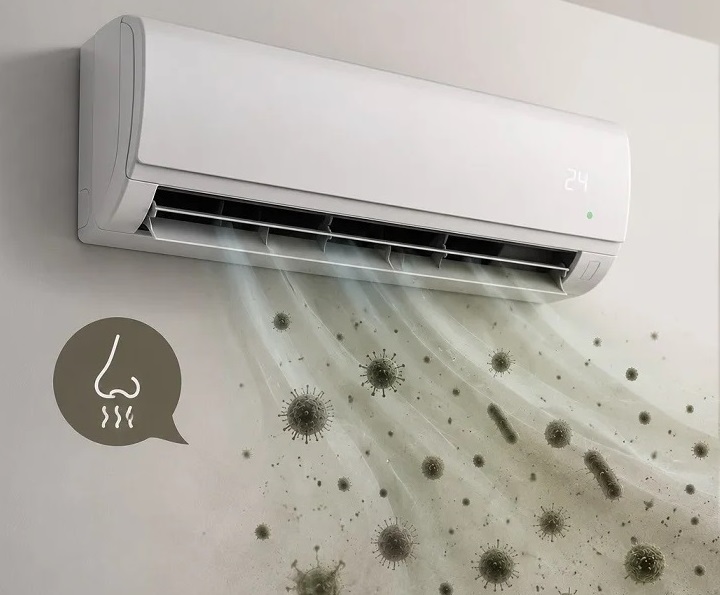
A musty smell from AC unit HVAC systems indicates more than a minor inconvenience—it signals potential microbial growth that affects both indoor air quality and system efficiency. Approximately 50% of homes experience some form of indoor air quality issue related to HVAC systems, with musty odors ranking among the most commonly reported complaints.
The characteristic mildew smell from AC HVAC systems develops when condensation combines with organic debris inside the unit. During cooling cycles, evaporator coils produce significant moisture. Without proper drainage or in high-humidity environments, this moisture creates ideal conditions for fungal growth.
Understanding the source of these odors and implementing appropriate remediation measures protects occupant health while preserving equipment longevity.
Identifying the Source: Why Your AC Smells Musty When First Turned On
When an AC smells musty when first turned on, the odor typically originates from moisture accumulation within the system during periods of inactivity. Condensation naturally forms on evaporator coils during cooling cycles, and without proper drainage or air circulation, this moisture creates conditions favorable for mold and mildew development.
Common sources of musty odors include:
- Clogged condensate drain lines preventing proper moisture removal
- Dirty evaporator coils harboring organic matter and microbial growth
- Contaminated air filters that have exceeded their service life
- Ductwork moisture from inadequate insulation or air leaks
- Standing water in drain pans creating breeding grounds for bacteria
Health Implications: Is Musty Smell from AC Dangerous?
The question of whether a musty smell from AC dangerous enough to warrant immediate attention depends on several factors, including the source of the odor and occupant sensitivity. According to Environmental Protection Agency guidelines, mold exposure can trigger respiratory symptoms, allergic reactions, and asthma exacerbation in sensitive individuals.
Specific health concerns include:
| Symptom Category | Common Manifestations | At-Risk Populations |
|---|---|---|
| Respiratory | Coughing, wheezing, shortness of breath | Asthma patients, elderly |
| Allergic | Sneezing, runny nose, eye irritation | Allergy sufferers |
| Neurological | Headaches, difficulty concentrating | General population |
| Immune Response | Increased infection susceptibility | Immunocompromised individuals |
For individuals asking whether AC is harmful for bronchitis sufferers, contaminated systems can indeed aggravate existing respiratory conditions. Proper filtration and regular maintenance become particularly critical for these populations.
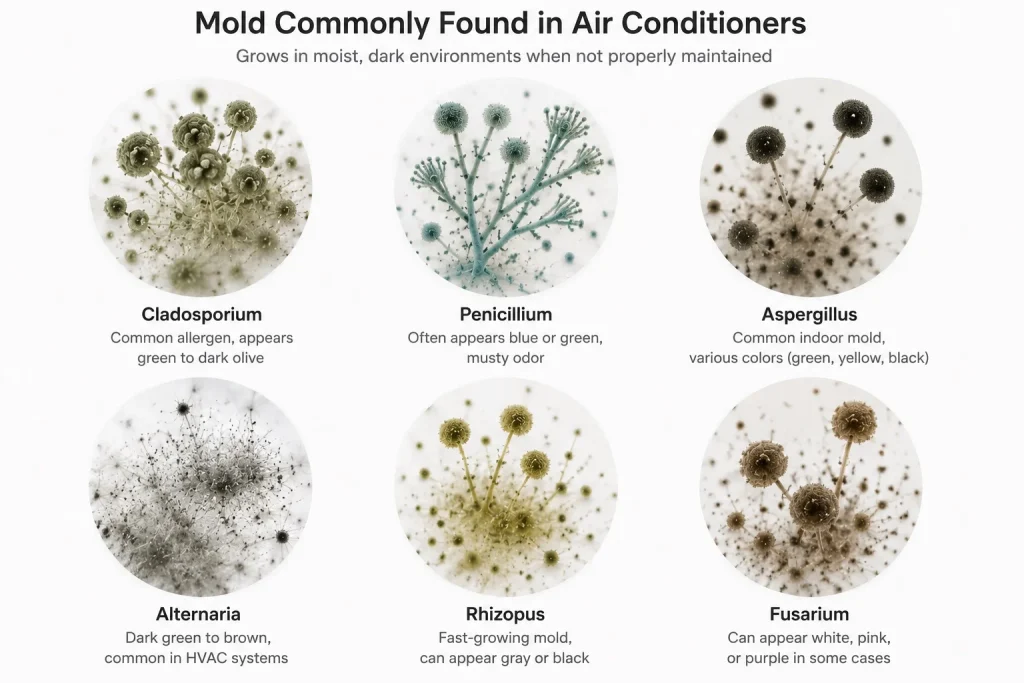
How to Fix Mildew Smell from AC Unit HVAC Systems
Addressing how to get rid of musty smell in HVAC system requires a systematic approach targeting all potential contamination sources. The following remediation steps apply to both residential and commercial applications.
Immediate Actions
1. Replace air filters immediately. Standard filters require replacement every 30-90 days, with higher MERV-rated filters recommended for odor-prone systems.
2. Clean condensate drain lines. Flush with a mixture of warm water and vinegar, or use commercially available drain tablets to prevent algae buildup.
3. Inspect and clean drain pans. Remove standing water and sanitize with appropriate antimicrobial solutions.
Professional Interventions
When AC smells bad when first turned on despite basic maintenance, professional assessment becomes necessary. Technicians utilize specialized equipment including:
- Evaporator coil cleaning systems using pressurized antimicrobial solutions
- Ductwork inspection cameras to identify hidden contamination
- UV germicidal lights for ongoing microbial control
- Fogging treatments for comprehensive system sanitization
Schedule a professional HVAC inspection if musty odors persist beyond basic filter replacement and drain line cleaning. Early intervention prevents minor contamination from developing into system-wide problems requiring extensive remediation.