Everything You Need to Know About Mold in Duct Vents
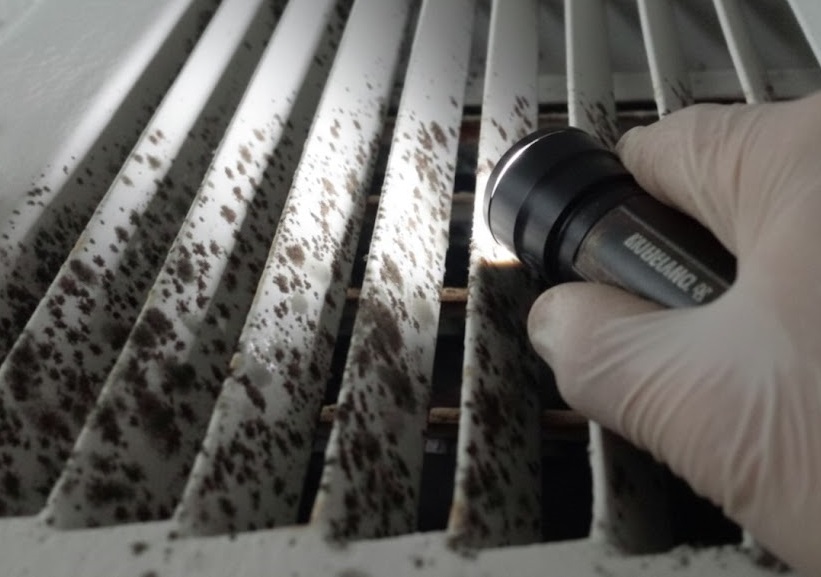
You know that musty smell that hits you when you fire up the AC after a long winter? That’s not just “old building charm”—it might be mold, quietly colonizing your duct vents and potentially wreaking havoc on your health. In New York, where humidity levels can swing dramatically and buildings range from pre-war brownstones to glass-clad high-rises, mold in duct vents is an insidiously common problem that doesn’t discriminate by zip code.
Let’s talk about this uninvited houseguest and how to show it the door—permanently.
What Causes Mold in Duct Vents?
Mold is basically that friend who crashes at your place because you’ve got everything they need: moisture, darkness, and something to eat. Your duct vents tick all those boxes. In New York specifically, we’re dealing with high humidity during summer months, condensation from HVAC systems running overtime, poor ventilation in older buildings, and water damage from those notorious roof leaks that landlords love to ignore.
When warm, humid air meets cool duct surfaces—boom, condensation. Add dust and organic debris that accumulates in those dark passages, and you’ve created a mold paradise. Buildings with inadequate insulation or those beautiful but poorly maintained historical properties are particularly vulnerable.
Signs of Mold in Duct Vents: What to Watch For
Your home will give you hints if you’re paying attention. Visible dark spots or discoloration around vent covers are the obvious red flag, but there are subtler indicators. That persistent musty or earthy odor that no amount of Brooklyn Candle Studio products can mask? That’s mold talking. You might notice increased allergy symptoms when the HVAC system runs, or spot condensation accumulating around vents.
Early stage signs of black mold in air vents can include small black or green spots, a slimy texture on vent surfaces, or even just a slightly off smell when the system kicks on. Don’t ignore these warnings—they’re your home’s way of asking for help.
Is Mold in Air Vents Harmful? (Spoiler: Yes)
Let’s be direct: mold in air vents is dangerous, full stop. When your HVAC system operates, it essentially becomes a delivery system for mold spores, distributing them throughout your living space. This isn’t just aesthetically unpleasant—it’s a legitimate health hazard.
The 10 Warning Signs of Mold Toxicity
Your body will signal when it’s had enough of breathing recycled mold spores:
1. Persistent respiratory issues – chronic coughing, wheezing, or shortness of breath
2. Sinus problems – congestion, runny nose, or sinus infections that won’t quit
3. Unexplained fatigue – feeling drained even after adequate sleep
4. Brain fog – difficulty concentrating or memory issues
5. Headaches – frequent or chronic headaches, particularly when at home
6. Skin irritation – rashes, hives, or unexplained itching
7. Eye irritation – redness, watering, or blurred vision
8. Digestive issues – nausea, diarrhea, or abdominal pain
9. Muscle aches – joint pain or stiffness without clear cause
10. Mood changes – anxiety, depression, or irritability
If you’re experiencing multiple symptoms from this list, especially if they improve when you’re away from home, mold toxicity could be the culprit.
What Do I Do If There Is Mold in My Air Ducts?
First, don’t panic—but don’t ignore it either. Here’s your action plan:
Step 1: Turn off your HVAC system to prevent further spore distribution.
Step 2: Document the situation with photos for insurance or landlord purposes (particularly important for NYC renters).
Step 3: Call a professional. While DIY solutions exist for minor surface mold, anything inside your ductwork requires expert intervention. In New York, expect to work with certified professionals who understand local building codes and health regulations.
How to Get Rid of Mold in Duct Vents
For minor surface mold on accessible vent covers, you can tackle it yourself with proper protection. Remove vent covers, clean them with a mixture of detergent and water, then treat with a mold-killing solution. Products like Concrobium Mold Control (available at Home Depot NYC locations, approximately $10-15) or RMR-86 Instant Mold Stain Remover ($25-30 at Lowe’s) work well for surface applications.
How Much Does Mold Removal in Air Ducts Cost?
Here’s where it gets real: professional mold removal in air ducts isn’t cheap, but it’s an investment in your health. In New York, expect these approximate costs:
- Basic duct cleaning with mold treatment: $450-$1,000 for a standard apartment
- Comprehensive mold remediation: $2,000-$6,000 for extensive contamination
- Whole-system replacement (worst-case scenario): $5,000-$12,000+
Factors affecting cost include the extent of contamination, accessibility of ductwork, system size, and whether structural repairs are needed.
Many homeowner’s insurance policies cover mold remediation if it results from a covered peril (like a pipe burst), so review your policy before paying out of pocket.
Prevention: Your Best Defense
The smartest money you’ll spend is preventing mold in the first place:
- Control humidity – Keep indoor levels between 30-50% (invest in a quality dehumidifier like the Frigidaire FFAD5033W1 from Best Buy, around $250-$300)
- Regular HVAC maintenance – Schedule annual professional inspections
- Change filters religiously – Every 1-3 months depending on usage
- Fix leaks immediately – Water intrusion is mold’s best friend
- Ensure proper ventilation – Especially in bathrooms and kitchens
The Bottom Line
Mold in duct vents is more than a cosmetic issue—it’s a health hazard that demands attention, especially in a dense urban environment like New York where air quality already faces challenges. Recognize the signs, act quickly, and don’t hesitate to bring in professionals when the situation warrants it.
Your lungs, your wallet (in the long run), and your peace of mind will thank you. Because in a city that never sleeps, the last thing you need is mold keeping you up at night—literally or figuratively.