What should facilities measure in a meeting room that gets stuffy?
A morning walk-through of an empty conference room can miss the entire complaint. Ask facilities to observe one ordinary meeting with the door in its usual position. Room temperature, headcount and duration tell a different story from the thermostat reading in the open office next door.
Build a meeting timeline
Record when people arrive, how many seats are occupied and when discomfort starts. Note the operating schedule, nearby construction and any recent change from storage or private-office use to meetings. If CO₂ logging is available, note the sensor position and compare the occupied rise and post-meeting decline. It can add context about dilution without identifying every contaminant or proving the outdoor airflow meets the design.
Ask for two answers
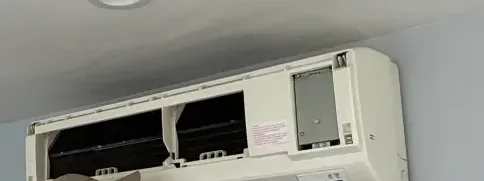
Which equipment delivers cooling to the room, and how is outdoor air delivered when the door is closed? Those functions may use different controls. Facilities can compare actual airflow and hours of operation with the intended use and occupancy. A colder thermostat setting elsewhere may leave the outdoor-air question untouched.
The EPA building air quality guide provides investigation tools for facility managers. Include the meeting timeline and zone plan when requesting an office HVAC evaluation. Assess the result during another comparable meeting, not just after the room empties.