In-Wall AC Replacement: A Comprehensive Guide for Homeowners
What Is an In-Wall Air Conditioner?
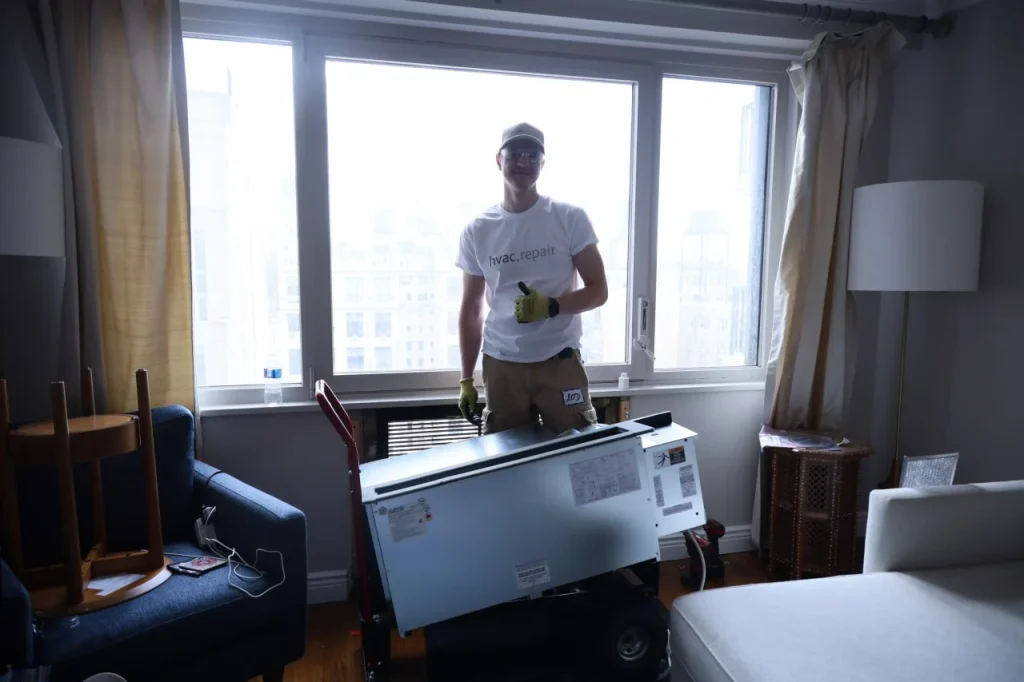
An in-wall air conditioner is a self-contained cooling unit designed to be installed directly through an exterior wall. Instead of sitting in a window frame, the system slides into a metal wall sleeve that supports the unit and directs heat outside.
In many Manhattan apartments, the air conditioner in wall design is already part of the building’s construction. Some units are placed under windows, while others are installed inside dedicated HVAC cabinets or wall niches.
This type of unit typically includes:
- A compressor and condenser located toward the exterior wall
- An indoor cooling system with adjustable airflow
- Built-in controls or smart thermostat compatibility
- Filters that improve indoor air quality
Because the entire system is integrated into the wall, it provides efficient cooling without disrupting the layout of the room.
Why AC in the Wall Is Popular in Manhattan
New York City buildings often have specific requirements for air conditioning systems. Many property managers restrict window units due to safety concerns or aesthetic reasons. In these cases, AC in the wall becomes the preferred option.
More Natural Light
Window units can block sunlight and reduce the openness of a room. With an in-wall air conditioner, windows remain fully available, allowing more daylight and a clearer view of the city.
Cleaner Interior Design
Because the system sits flush with the wall, the room looks less cluttered. A well-installed air conditioner in wall blends naturally into the space instead of sticking out from the window frame.
Greater Stability
A window unit relies on brackets and temporary support. A through-the-wall system, on the other hand, is secured directly inside the structure of the building. This makes this system more stable and less likely to vibrate or shift.
Designed for Modern Apartments
Many newer Manhattan buildings include dedicated HVAC compartments specifically for in-wall air conditioner units. This design keeps cooling systems neatly integrated into the apartment layout.
Understanding When Replacement Becomes Necessary
Wall-in air conditioning units typically provide 10-15 years of reliable service with proper maintenance. However, several indicators suggest that replacement rather than repair represents the more economical choice.
Units manufactured before 2010 often use R-22 refrigerant, which the Environmental Protection Agency phased out due to environmental concerns. According to energy efficiency guidelines from Energy Star, replacing an older unit with a modern, energy-efficient model can reduce cooling costs by up to 30% annually.
Additional replacement indicators include:
- Cooling capacity that no longer maintains comfortable temperatures
- Unusual noises during operation, particularly grinding or rattling sounds
- Visible rust or corrosion on internal components
- Frequent repair requirements exceeding twice per cooling season
- Uneven cooling distribution throughout the served space
The Consequences of Operating Failing Equipment
Continuing to operate a deteriorating wall AC unit creates compounding problems that extend beyond simple discomfort. Energy consumption increases progressively as internal components degrade, with some older units consuming 50% more electricity than their rated capacity suggests.
Indoor air quality also suffers when filtration systems and condensate drainage mechanisms fail to function properly. Mold growth within ductless systems presents particular concerns for household members with respiratory conditions. The Department of Energy reports that poorly maintained cooling systems contribute significantly to indoor air quality problems affecting millions of American households.
Beyond immediate concerns, delaying necessary replacement often results in emergency situations during peak summer temperatures. HVAC contractors typically experience highest demand during extreme weather events, potentially extending wait times and increasing service costs.
Addressing Common Replacement Concerns
Homeowners frequently hesitate to proceed with replacement due to misconceptions about the process. Understanding these concerns helps facilitate better decision-making.
Concern: “My existing wall opening won’t accommodate new units.” Modern through-the-wall units are manufactured in standardized sizes specifically designed to fit common existing installations. Most sleeves measure 26 inches wide, accommodating units from multiple manufacturers. When mismatches occur, contractors can install adapter sleeves or modify openings to accommodate different dimensions.
Concern: “Replacement seems unnecessary since the unit still runs.” Operating efficiency matters as much as basic functionality. A unit that runs constantly without achieving set temperatures consumes excessive energy while failing to provide adequate comfort. Central in-wall AC replacement or targeted zone replacement may address specific problem areas.
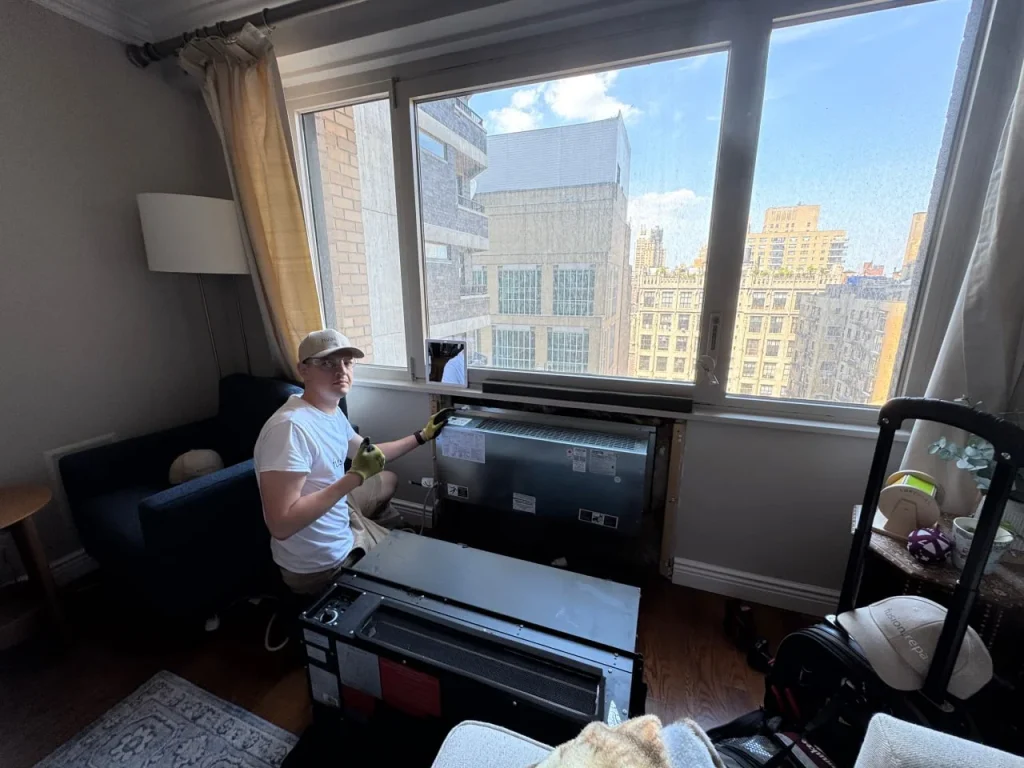
Concern: “Finding qualified technicians for in-wall AC replacement nearby seems difficult.” Our HVAC Repair Company provides professional in-wall AC replacement and installation services throughout Manhattan. Our technicians handle wall sleeve units, built-in systems, and modern in-wall air conditioners, ensuring safe installation and reliable cooling.
Taking the Next Step
Begin by documenting your current unit’s specifications – model number, dimensions, and electrical requirements – typically found on a label inside the front panel. This information enables contractors to provide accurate quotes and identify compatible replacement options.
Contact HVAC contractor serving your area to schedule assessments. Professional evaluations identify any installation challenges and confirm appropriate unit sizing for your specific application. Most reputable contractors provide free estimates, allowing comparison without financial commitment.
Addressing in-wall AC replacement proactively – before complete system failure – provides scheduling flexibility and prevents emergency situations during extreme temperatures. The combination of improved efficiency, reliable cooling, and warranty protection makes timely replacement a sound investment in home comfort.