Should You Cover Your Air Conditioner in the Winter? A Professional Analysis
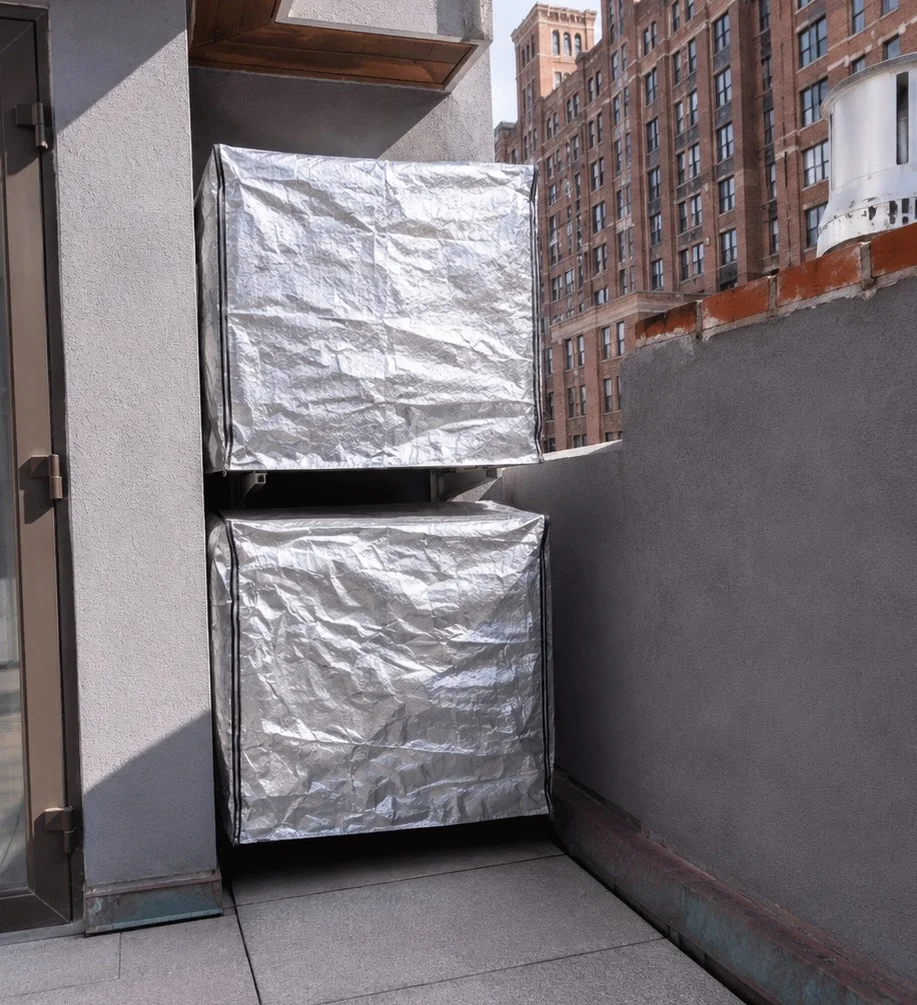
The first cold snap arrives in New York, and many homeowners immediately consider protecting their outdoor air conditioning units. The instinct to shield expensive equipment from harsh winter elements seems logical. However, this well-intentioned practice may cause more harm than benefit to your HVAC system.
Most residential air conditioning units are engineered to withstand outdoor conditions year-round. Manufacturers design these systems with weather-resistant cabinets, corrosion-resistant coatings, and components rated for temperature extremes. Despite this engineering, a significant number of homeowners believe their units require additional winter protection.
This misconception stems from reasonable concerns about snow accumulation, ice formation, and debris collection. The question of whether you should cover your air conditioner in the winter appears frequently in online discussions, with Reddit communities and home maintenance forums offering conflicting advice.
Consequences of Improper Covering
Fully enclosing an air conditioning unit during winter months creates conditions that accelerate equipment degradation rather than prevent it. When moisture becomes trapped beneath a cover, it cannot evaporate naturally. This trapped humidity promotes rust formation on internal components, encourages mold growth, and can lead to electrical system corrosion.
According to HVAC industry guidelines, condensation buildup represents one of the primary causes of premature compressor failure. A sealed cover transforms your AC unit into a moisture collection chamber during temperature fluctuations common throughout New York winters.
Additionally, fully covered units provide attractive shelter for rodents seeking warmth. Mice and other small animals can nest within the enclosed space, chewing through wiring and damaging refrigerant lines. These repairs typically cost between $200 and $800, far exceeding any potential savings from winter protection.
What Industry Experts Recommend
The Department of Energy recommends against fully covering air conditioning units. Instead, professionals suggest alternative approaches that address legitimate concerns without creating moisture problems.
A breathable air conditioner cover for winter represents a reasonable compromise for homeowners in regions with heavy snowfall. These covers typically protect only the top of the unit, preventing ice and debris accumulation while allowing adequate airflow. This approach addresses the primary concern—falling icicles and heavy snow loads—without trapping moisture.
For New York residents specifically, the combination of freeze-thaw cycles and significant snowfall makes a top-only cover the most practical solution. This applies equally to those questioning whether they should cover their air conditioner in the winter in Ontario or similar northern climates.
How to Properly Winterize Your Air Conditioner
Effective winter preparation involves several steps beyond covering decisions. Understanding how to protect an air conditioner in the winter requires attention to multiple factors:
- Clear debris from around the unit, maintaining 24 inches of clearance on all sides
- Inspect the refrigerant lines for damage before winter weather arrives
- Turn off the dedicated circuit breaker to prevent accidental activation during cold weather
- Install a top-only cover if heavy snow or falling debris presents a genuine concern
- Check periodically throughout winter to remove accumulated snow and inspect for animal activity
The 3-minute rule for air conditioners applies primarily to startup procedures rather than winterization. This guideline suggests waiting three minutes between turning a unit off and back on, allowing pressure to equalize and preventing compressor damage.
Regarding whether covering an AC unit is a good idea when it is freezing rain, a temporary cover during active precipitation may provide short-term benefit. However, remove the cover immediately after the weather event passes to prevent moisture accumulation.
Frequently Asked Questions
Is it a good idea to cover an AC unit in winter? Partial coverage using a breathable, top-only cover is acceptable. Full enclosure creates moisture problems that damage components faster than winter weather exposure.
How do I winterize my air conditioner? Clear surrounding debris, turn off the dedicated circuit breaker, inspect refrigerant lines, and consider a top-only cover for heavy snowfall regions.
Taking Action
Before the next winter season, evaluate your specific situation. Examine your unit’s location—is it beneath trees or eaves where debris and ice accumulate? If so, a breathable top cover represents a sound investment. If your unit sits in an open area with minimal overhead hazards, covering may prove unnecessary.
Contact a licensed HVAC technician for a pre-winter inspection to identify any existing issues that winter conditions might worsen. This proactive approach protects your investment more effectively than any cover.