What’s the Average Life of a Furnace? How to Extend It
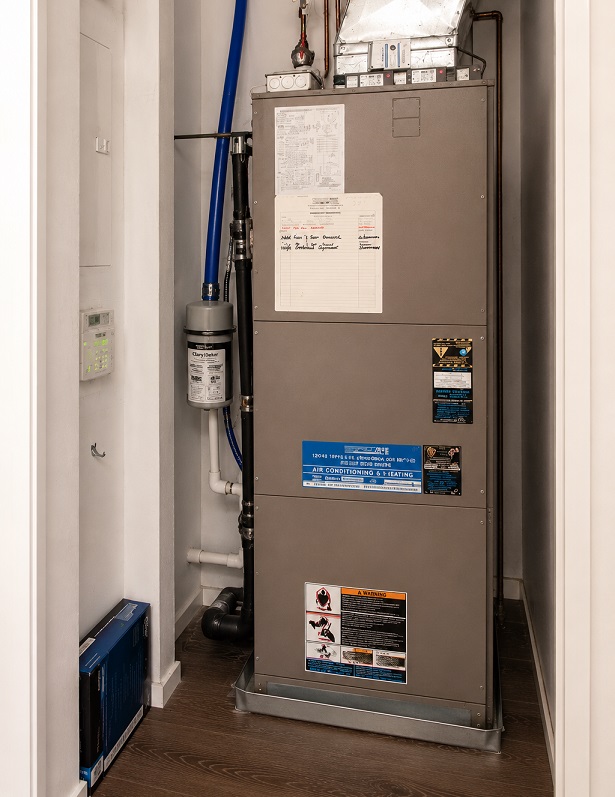
Understanding Your Furnace’s Expected Lifespan
Most homeowners assume their heating system will operate indefinitely—until the morning they wake to a cold house and an unresponsive thermostat. The reality is that every furnace has a finite operational window, and understanding this timeline enables better financial planning and prevents emergency replacement scenarios.
The average life of furnace and air conditioner systems varies significantly based on fuel type, manufacturer, and maintenance history. According to industry data from the U.S. Department of Energy, a properly maintained gas furnace typically operates for 15 to 20 years. Electric furnace lifespan tends to extend slightly longer, often reaching 20 to 30 years, primarily because electric systems contain fewer mechanical components subject to combustion-related wear.
Understanding what’s the average life of a furnace how to extend its operational years requires examining multiple variables beyond simple age calculations.
Manufacturer-Specific Lifespan Expectations
Brand selection significantly influences system longevity. Carrier furnace lifespan typically ranges from 15-20 years with proper maintenance, reflecting the manufacturer’s focus on durable heat exchanger construction. How long does a Lennox furnace last? Industry data suggests comparable performance, with Lennox units averaging 15-20 years under normal operating conditions.
Regional climate also affects equipment durability. How long does a furnace last in Ontario compared to southern states? Northern installations typically experience shorter lifespans due to extended operational hours during prolonged heating seasons. A furnace running 2,000 hours annually accumulates wear faster than identical equipment operating 800 hours in milder climates.
According to HVAC industry research from ASHRAE, equipment lifespan projections assume standard maintenance schedules. Deviations from recommended service intervals can reduce operational years by 30-40%.
Proven Strategies to Extend Furnace Life
How can I extend my furnace’s life? The answer involves systematic maintenance rather than reactive repairs.
Filter Management Replace or clean filters every 30-90 days depending on household conditions. Homes with pets, smokers, or high dust levels require more frequent changes. Restricted airflow forces blower motors to work harder, accelerating component failure.
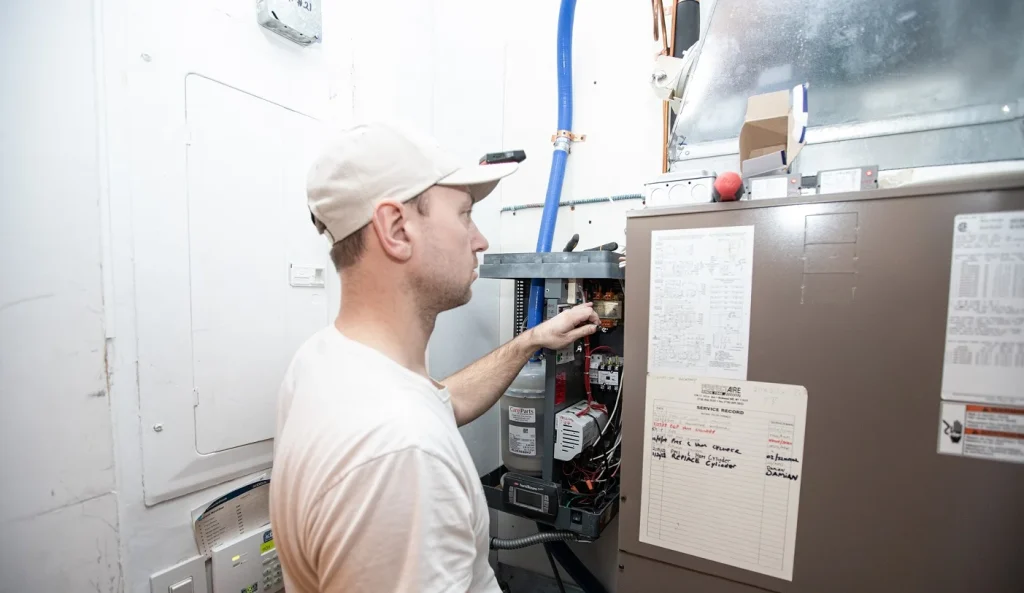
Annual Professional Inspection Schedule comprehensive maintenance before each heating season. Qualified technicians identify developing problems—cracked heat exchangers, worn belts, failing ignitors—before they cause system failure. This proactive approach typically costs $80-150 annually but prevents repairs averaging $300-1,200.
Thermostat Optimization Programmable or smart thermostats reduce unnecessary cycling. Each start-stop cycle stresses ignition systems and heat exchangers. Maintaining consistent temperatures with modest setbacks (68°F occupied, 62°F unoccupied) balances comfort with equipment preservation.
Ductwork Integrity Leaking ductwork forces furnaces to run longer cycles to achieve thermostat settings. The ENERGY STAR program estimates that typical homes lose 20-30% of conditioned air through duct defects. Sealing these leaks reduces furnace workload proportionally.
Humidity Control Maintain indoor humidity between 30-50%. Excessively dry conditions cause heat exchangers to work harder, while excessive moisture promotes corrosion of electrical components.
Addressing Common Misconceptions
“My furnace runs fine, so it doesn’t need maintenance.” Furnaces often operate with developing problems that remain invisible until catastrophic failure occurs. A system producing heat does not indicate optimal condition. Internal components degrade incrementally, and professional inspection identifies issues before they cause complete breakdown.
Can a furnace last 40 years? While exceptional cases exist, operating a furnace for 40 years is inadvisable. Even if mechanically functional, technology advances make such equipment grossly inefficient. A 40-year-old furnace likely operates at 60% efficiency or lower, meaning 40% of fuel expenditure produces no useful heat.
Recognizing End-of-Life Indicators
What are the signs of a dying furnace? Several symptoms indicate replacement should be prioritized:
- Increasing repair frequency (more than two significant repairs within 24 months)
- Uneven heating throughout the home despite ductwork verification
- Visible rust or cracks on the heat exchanger
- Yellow or flickering burner flame (should burn blue)
- Excessive dust despite regular filter changes
- Rising utility bills without rate increases
- Unusual noises: banging, squealing, or rattling during operation
- Carbon monoxide detector activations
According to Consumer Reports research, repair costs exceeding 50% of replacement value generally indicate replacement provides better long-term value.
Taking Action: Your Next Steps
Evaluate your current furnace using the criteria outlined above. Document the installation date, review maintenance records, and note any symptoms suggesting declining performance.
Immediate actions:
1. Schedule professional inspection if your system exceeds 15 years of age 2. Request efficiency testing to determine actual operating AFUE 3. Obtain replacement quotes from multiple licensed contractors for comparison 4. Research available rebates through local utilities and federal programs 5. Establish a replacement timeline based on inspection findings
Proactive replacement during spring or fall typically offers better pricing and scheduling flexibility compared to emergency installation during peak heating demand. Contractors frequently offer 10-20% discounts during off-season periods.
Understanding your furnace’s position within its expected lifespan—and implementing maintenance practices that maximize remaining operational years—protects both your comfort and your budget. Whether your system requires immediate attention or has years of service remaining, informed decision-making prevents the costly consequences of unexpected failure.