Air Filter vs. Air Purifier: Why Your HVAC Filter Isn’t Enough
Most homeowners operate under a significant misconception: they believe their HVAC system’s filter adequately protects indoor air quality. This assumption leads millions of households to unknowingly breathe contaminated air despite having a functioning filtration system in place. The distinction between standard HVAC filtration and dedicated air purification represents more than a technical nuance—it directly impacts respiratory health, energy costs, and long-term wellbeing.
Standard furnace filters serve a primary purpose that many homeowners misunderstand. These filters exist primarily to protect HVAC equipment from large debris particles, not to purify the air occupants breathe. Understanding the truth about home air filters requires examining what these systems actually capture versus what passes through unimpeded.
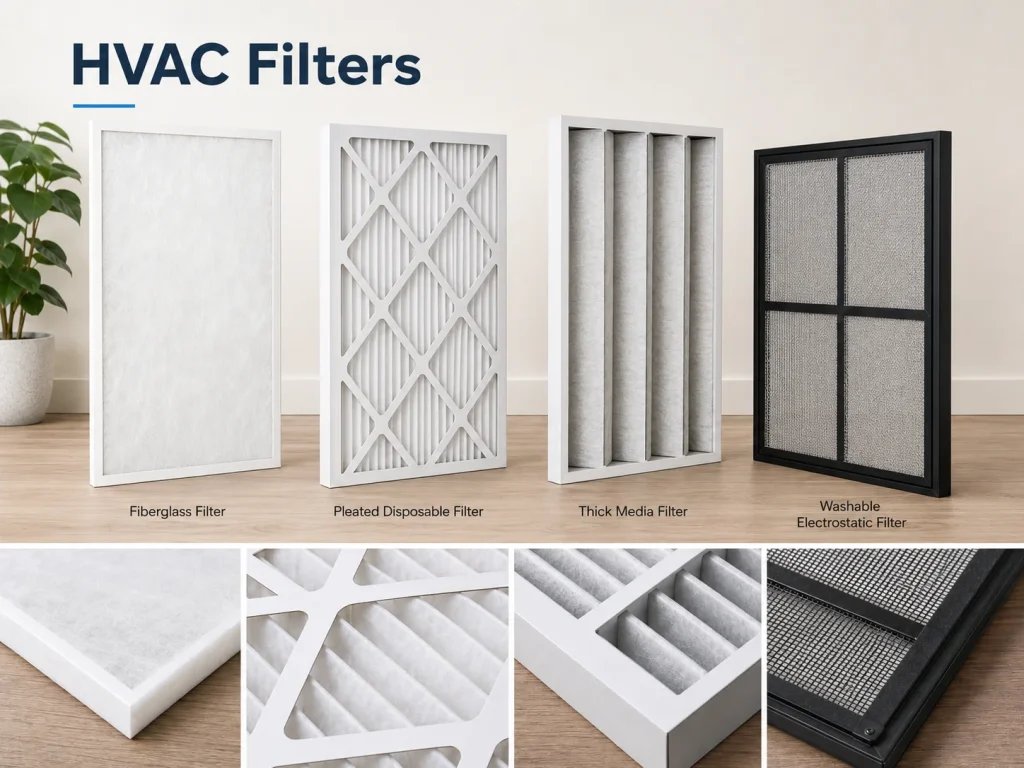
What Your HVAC Filter Actually Does
A standard furnace filter or return air filter captures particles typically ranging from 10 to 100 microns in size. This category includes visible dust, lint, hair, and larger pollen particles. The filter’s primary function centers on preventing these materials from accumulating on evaporator coils, blower motors, and ductwork—protecting mechanical components rather than human lungs.
According to the Environmental Protection Agency, the most harmful airborne contaminants measure significantly smaller than what standard filters capture. Bacteria range from 0.3 to 10 microns, virus particles measure 0.005 to 0.3 microns, and fine particulate matter (PM2.5)—linked to cardiovascular and respiratory disease—measures 2.5 microns or smaller.
The question of whether cheap air filters are better for HVAC systems involves a trade-off most homeowners don’t fully grasp. Lower-rated filters allow greater airflow, reducing strain on HVAC equipment. However, this increased airflow comes at the cost of filtration efficiency, permitting smaller harmful particles to circulate continuously throughout living spaces.
The Air Purifier Advantage
Dedicated air purifiers, particularly those utilizing HEPA filter technology, capture 99.97% of particles measuring 0.3 microns and larger. This specification represents a dramatic improvement over standard HVAC filtration. An HVAC filter HEPA-rated system addresses the particle sizes most associated with health impacts—the very contaminants standard furnace filters allow to pass through.
The American Lung Association identifies indoor air pollution as a significant health concern, noting that indoor air can contain two to five times higher concentrations of certain pollutants than outdoor air. Standard HVAC filtration alone cannot address this concentration differential.
The Cheap vs. Expensive Air Filter Debate
When examining cheap vs expensive air filters for automotive applications, similar principles apply to HVAC systems. Inexpensive filters typically utilize fiberglass or low-density polyester media, capturing larger particles while allowing finer contaminants to pass. Premium filters employ denser media, pleated designs, or electrostatically charged materials to improve capture efficiency.
The question of whether the air filter matters in a car translates directly to residential HVAC considerations. In both applications, filtration quality affects system performance and the quality of air occupants breathe. However, the duration of exposure differs substantially—most individuals spend significantly more time indoors at home than inside vehicles, amplifying the importance of residential air quality.
Many consumers question why air filters are so expensive on platforms like Reddit and other forums. The price differential reflects material costs, manufacturing precision, and capture efficiency ratings. Higher-rated filters require denser media, more surface area through pleating, and tighter quality control during production.
Comparative Analysis: Standard Filters vs. Air Purifiers
| Feature | Standard HVAC Filter | HEPA Air Purifier |
|---|---|---|
| Particle Capture Size | 10+ microns | 0.3+ microns |
| Bacteria Removal | Minimal | 99.97% |
| Virus Removal | None | Significant |
| PM2.5 Capture | Limited | Comprehensive |
| Coverage Area | Whole home (limited effectiveness) | Room-specific (high effectiveness) |
| Primary Purpose | Equipment protection | Health protection |
| Typical Cost | $5-50 per filter | $100-500 initial, $20-80 annual filters |
This comparison illustrates why determining the best air filter vs air purifier approach requires understanding that these systems serve fundamentally different purposes. The optimal strategy typically involves both: maintaining adequate HVAC filtration for equipment protection while supplementing with dedicated air purification for health protection.
Implementing an Effective Air Quality Strategy
Step 1: Assess Current Filtration
Determine your current HVAC filter type, MERV rating, and replacement schedule. What size air filter does a Goodman furnace take, for example, varies by model—consult equipment documentation or measure existing filters to ensure proper fit. Using incorrectly sized filters allows unfiltered air to bypass the media entirely.
Step 2: Optimize HVAC Filtration Within System Limits
Upgrade to the highest MERV-rated filter your system can accommodate without airflow restriction. For most residential systems, this typically falls between MERV 8 and MERV 13. Maintain regular replacement schedules—typically every 30 to 90 days depending on filter type, household size, and environmental factors.
Step 3: Add Dedicated Air Purification
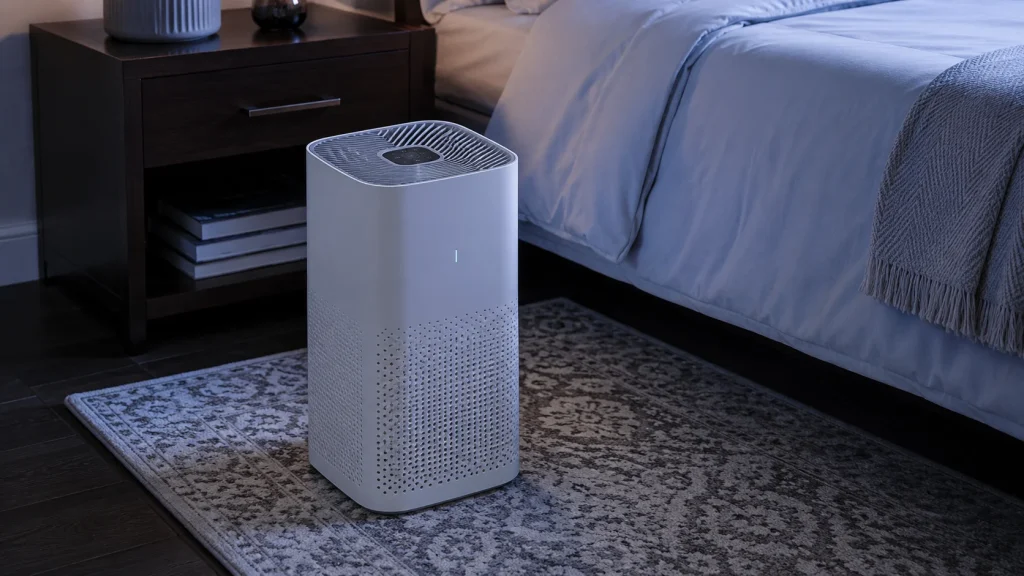
Supplement HVAC filtration with HEPA air purifiers in high-occupancy rooms, bedrooms, and spaces used by vulnerable individuals. Size units appropriately for room square footage, and position them for optimal air circulation.
Step 4: Monitor and Maintain
Establish maintenance schedules for both HVAC filters and air purifier filters. Consider indoor air quality monitors to verify system effectiveness and identify when intervention is needed.
Taking Action: Your Next Steps
The evidence supporting supplemental air purification is substantial and growing. Standard HVAC filtration, while necessary for equipment protection, provides inadequate defense against the smallest and most harmful airborne contaminants.
Begin by evaluating your current filtration setup this week. Check filter sizes, MERV ratings, and replacement dates. Research HEPA air purifiers sized appropriately for your primary living spaces. For households including individuals with respiratory conditions, allergies, or immune system vulnerabilities, prioritize bedroom air purification as an immediate intervention.