When Your Air Conditioner Coil Is Frozen
A New Yorker’s Survival Guide
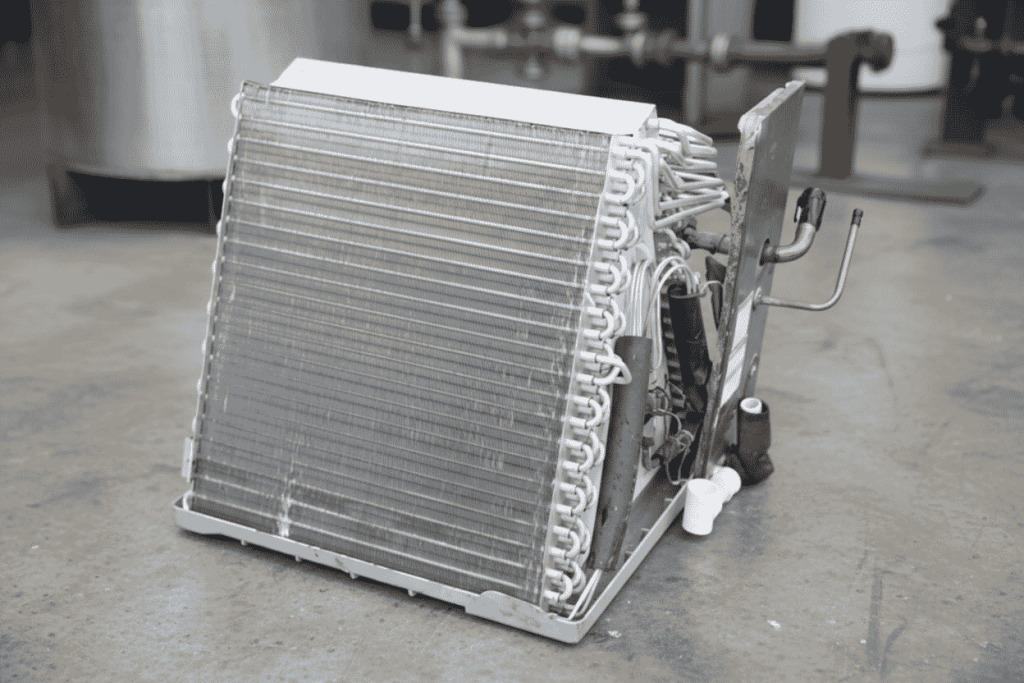
Picture this: It’s another sweltering New York summer day, the kind where the subway platform feels like Dante’s seventh circle, and you stumble into your apartment expecting arctic relief—only to find your AC blowing warm air and sporting an igloo-worthy ice formation. Welcome to the frozen evaporator coil crisis, a phenomenon more common than spotting someone in athleisure at brunch.
What Causes a Frozen Evaporator Coil? The Cold, Hard Truth
Your air conditioner’s evaporator coil isn’t supposed to resemble a winter wonderland installation at the Guggenheim. When that coil freezes, it’s your AC’s way of waving a white flag. Several culprits typically orchestrate this icy rebellion:
Restricted Airflow tops the list. When your filter transforms into a dust museum piece, airflow gets choked off. The coil then over-performs its cooling duties, dropping below freezing temperatures. In New York apartments where dust accumulates faster than subway delays, this happens more frequently than you’d think.
Low refrigerant levels create another pathway to frozen coils. Despite what your superintendent might claim, refrigerant doesn’t “run out” like milk—it circulates in a closed system. If levels drop, you’ve got a leak that needs professional attention.
Thermostat theatrics also contribute. Running your AC when outdoor temperatures dip below 60°F (common during those unpredictable NYC spring and fall nights) can freeze indoor AC coils faster than your dating app conversations.
Indoor AC Coil Freezing Up: How to Fix It Like a Pro
The Immediate Response Protocol
When you discover ice on your evaporator coil, resist the temptation to chip away at it with whatever’s handy. Here’s your action plan:
1. Power Down Completely: Shut off your AC at the thermostat and circuit breaker. This isn’t optional—continuing to run a frozen unit can damage the compressor, a repair that costs more than a month’s worth of artisanal coffee.
2. Accelerate the Thaw: Turn on your system’s fan mode (without cooling) to circulate warm air across the coils. This is how to defrost AC coils fast without resorting to hair dryers or other Pinterest-worthy disasters.
3. Monitor the Meltdown: Place towels or a shallow pan beneath the unit to catch condensation. Your downstairs neighbor doesn’t appreciate impromptu ceiling waterfalls.
How Long Does It Take an AC Coil to Unfreeze?
Patience isn’t just a virtue here—it’s mandatory. Complete defrosting typically requires 8 to 24 hours, depending on ice thickness. Attempting to rush this process ranks alongside wearing flip-flops in February: technically possible, but ill-advised.
What to Do If Evaporator Coil Freezes: The Deep Dive
Once your coil has thoroughly defrosted, play detective:
Check Your Air Filter: These should be replaced monthly during heavy-use seasons. For New Yorkers battling construction dust and general urban particulate matter, consider the Filtrete MPR 1500 or Nordic Pure MERV 12 filters (available at Home Depot and Amazon for $15-$30 per 4-pack).
Inspect Your Vents: That credenza you artfully positioned might be blocking return air vents. Ensure all registers have at least 12 inches of clearance.
Examine the Condensate Drain: A clogged drain line can trigger freeze-ups. Look for the PVC pipe extending from your indoor unit and verify water flows freely.
Is It Normal for AC Coils to Freeze in Winter?
Short answer: No, because your AC shouldn’t be running in winter. However, frozen coils on outside AC unit during cold weather indicate a different issue—likely a malfunctioning heat pump trying to operate in heating mode with insufficient defrost cycles.
When to Call the Professionals: A Reality Check
Some frozen coil scenarios demand professional intervention:
- Refrigerant leaks require EPA-certified technicians
- Blower motor failures exceed DIY capabilities
- Repeated freeze-ups after basic troubleshooting suggest deeper system issues
A frozen air conditioner coil transforms your cooling oasis into an expensive paperweight, but it’s rarely catastrophic. Most cases stem from simple airflow restrictions—dirty filters, blocked vents, or overzealous thermostat settings. The fix often requires nothing more technical than filter replacement and patience during the thaw.
However, persistent freezing despite clean filters and proper airflow indicates refrigerant issues or mechanical failures requiring professional diagnosis. In New York’s unforgiving summer climate, investing in annual maintenance pays dividends in reliability and efficiency.